
Company News
Selecting the Right Rubber Products
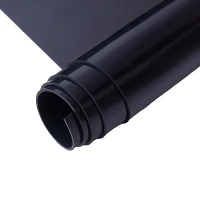
When purchasing rubber products, it's important to recognize that different applications have varying performance requirements. For both procurement and sales teams, it's crucial to clearly understand and communicate the specific parameters and needs of the products required. While some customers have a solid understanding of the products and can clearly specify their requirements, others might still be exploring options to find the most suitable rubber sheet for their application.
At AOCHEN, we are more than happy to provide professional advice and recommend the latest products based on your specific needs.
Contact us at sales@aochenrubber.com to request samples or get a quote.
sales@aochenrubber.com
1. The Importance of Initial Communication
When you first contact us, please make sure to provide detailed information about the rubber products you need, including the parameters, quantity, usage environment, and any special requirements. We will carefully evaluate these factors to ensure that the recommended products offer superior durability and suitability for your specific application.
| Category | Parameter | Description |
| Physical Properties | Hardness (Shore A/D) | Measures the hardness of the rubber; higher values indicate a harder material. |
| Density (g/cm³) | The density of the rubber, influencing its weight and suitability for specific applications. | |
| Tensile Strength (MPa) | The maximum stress the rubber can withstand before breaking. | |
| Elongation at Break (%) | The percentage increase in length before the rubber breaks, indicating its flexibility and stretchability. | |
| Tear Strength (N/mm) | The rubber's resistance to tearing, important for applications with high tensile or tearing stress. | |
| Compression Set (%) | The ability of rubber to return to its original shape after being compressed, often used to evaluate seals. | |
| Temperature Properties | Operating Temperature Range (°C) | The range of temperatures in which the rubber performs well, indicating its stability and durability under different thermal conditions. |
| Chemical Properties | Chemical Resistance | The rubber's ability to resist chemicals such as oils, acids, alkalis, and solvents. |
| Oil Resistance | Suitable for rubber materials that come into contact with petroleum-based oils or fuels. | |
| Ozone Resistance | The rubber's resistance to aging in ozone-rich environments. | |
| Water Resistance | The stability of the rubber when used in humid or wet conditions. | |
| Mechanical Properties | Abrasion Resistance | The rubber's ability to withstand wear and friction, important for high-friction environments. |
| Resilience (%) | The ability of the rubber to return to its original shape after deformation. | |
| Tensile Strength | The rubber's resistance to breaking when stretched. | |
| Electrical Properties | Volume Resistivity (Ω·cm) | The rubber's electrical resistance, influencing its insulation properties. |
| Dielectric Constant (εr) | The ability of the rubber to store electrical energy in an electric field. | |
| Arc Resistance | The rubber's ability to withstand electrical arcing under high voltage. | |
| Environmental Resistance | UV Resistance | The rubber's ability to resist degradation from exposure to ultraviolet light. |
| Weather Resistance | The extent of rubber aging when exposed to outdoor conditions over time. | |
| Other Special Parameters | Fire Resistance | The rubber's flame retardancy, important for applications in high-safety environments. |
| Food Grade Certification | Compliance of the rubber material with FDA or other food contact safety standards. | |
| Color | The color of the rubber product, which may be important for specific applications. |
2. How to Choose the Right Rubber Product for Your Application
Temperature Range:
The temperature performance of rubber materials directly affects their lifespan and performance in specific environments. Selecting the right rubber sheet should consider its temperature tolerance:
High-Temperature Applications:
Silicone Rubber Sheets: Maintains elasticity and strength at temperatures up to 200°C or higher, ideal for high-temperature environments.
Fluororubber (FKM): Excels in extreme high temperatures (above 250°C) and harsh chemical environments, making it suitable for high-temperature industrial applications.
Low-Temperature Applications:
EPDM and Silicone Rubber: These materials remain flexible in low-temperature environments down to -50°C, making them ideal for cold conditions.
Chemical Exposure:
In industrial applications, rubber sheets may come into contact with various chemicals, including oils, acids, alkalis, and solvents. The chemical resistance of different rubber materials varies greatly, so choosing the right material is critical.
Oil Resistance:
Nitrile Rubber (NBR): Known for its excellent oil resistance, widely used in oil seals, O-rings, and fuel system seals.
Chemical Resistance:
Fluororubber (FKM): Ideal for handling extreme chemical environments.
EPDM: Performs well in acidic and alkaline media, making it a preferred choice in the chemical industry.
Mechanical Strength:
In some applications, rubber sheets must possess sufficient mechanical strength, such as abrasion resistance, tear resistance, and tensile strength, to withstand physical stress and mechanical wear.
Abrasion Resistance:
Natural Rubber (NR), Neoprene (CR), and Liquid-Phase Latex Rubber: These materials are ideal for use as liners or conveyor belt materials in mechanical equipment due to their excellent abrasion resistance.
Tear and Tensile Strength:
Neoprene (CR), Natural Rubber (NR), and Liquid-Phase Latex Rubber: These materials perform well in applications requiring high tensile, compressive, or tear strength.
Environmental Resistance:
If rubber sheets are exposed to outdoor environments, their resistance to aging, UV radiation, and ozone is crucial.
Aging Resistance:
EPDM: Offers excellent aging resistance, suitable for long-term outdoor applications such as building seals and car window seals.
UV and Ozone Resistance:
Neoprene (CR) and EPDM: These materials excel in resisting UV and ozone degradation, effectively extending the service life of rubber products.
Other Special Requirements:
Certain applications have specific requirements for rubber sheets, such as food contact safety standards or fire resistance:
Food-Grade Applications:
FDA Silicone Rubber: Ideal for food processing and medical devices due to its high temperature resistance, non-toxicity, and non-reactivity with food.
Fire Resistance:
Fluororubber (FKM) and Neoprene (CR): These materials offer good flame retardancy, making them suitable for high-safety environments like subway systems.
To ensure that the rubber sheets you purchase perform excellently in your specific application, it's essential to consider factors such as temperature range, chemical exposure, mechanical strength, environmental resistance, and any other special requirements. We can provide samples for testing and evaluation, helping you achieve long-lasting, reliable performance that reduces maintenance costs and improves overall economic efficiency.
Contact us at sales@aochenrubber.com to request samples or get a quote.
To request a quote or to obtain the latest pricing on our rubber products, please feel free to contact us. Our team is ready to assist you with detailed information and tailored solutions to meet your specific needs. Reach out to us via email or phone, and we'll respond promptly to ensure you get the best products at competitive prices. We look forward to working with you!
For inquiries about our products or pricelist, please leave your email to us and we will be in touch within 24 hours.
Our address
No. 4-1001 Central Park Square Renqiu City Hebei Province China