
Company News
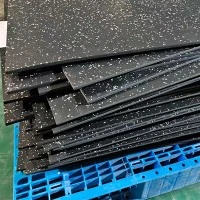
Different rubber mat surface patterns can influence grip, water drainage, ease of cleaning and the suitability of a mat for a particular working environment.
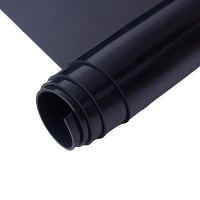
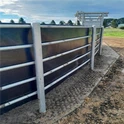
At AOCHEN, we manufacture rubber sheets and rubber mats for international buyers.
An anti-fatigue rubber mat is designed to provide a more accommodating standing surface in workplaces where employees spend extended periods on their feet.
For example, a raised pattern may provide additional contact edges for footwear, while grooves may help channel water away from certain areas of the surface. Other patterns may be selected primarily for ease of maintenance or to meet the appearance requirements of a project.
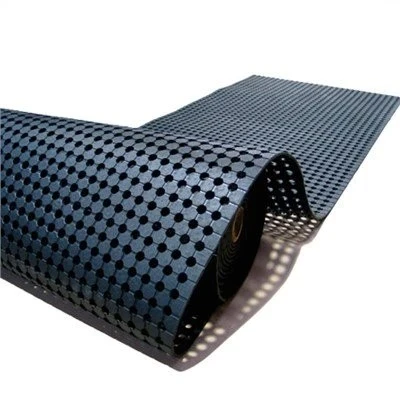
Rubber Hole Mats
Rubber hole mats feature openings distributed across the mat surface. This open structure distinguishes them from conventional solid rubber mats and can be useful in applications where liquids or loose debris need to pass through the surface.
Depending on the product design and verified suitability, rubber hole mats may be considered for selected wet work areas, washdown areas, service spaces and other locations where an open mat structure is useful.
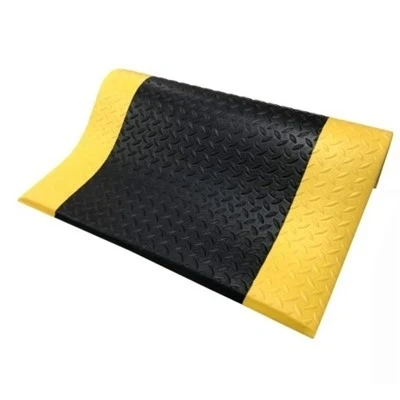
Foam PVC Anti-fatigue Mats
Foam PVC anti-fatigue mats are manufactured using foamed polyvinyl chloride. Their cellular material structure can provide cushioning underfoot, depending on the formulation and finished product construction.
For workplaces where employees spend long periods standing, a suitable cushioned mat may provide a more yielding surface than a rigid floor.
Depending on the specifications, foam PVC mats may be considered for selected standing workstations, service counters, packing areas and other workplaces where cushioning is a priority.
How Surface Patterns Affect Key Performance Factors
+ Grip and Slip Resistance
+ Drainage and Liquid Management
+ Cleaning and Maintenance
+ Underfoot Feel and Anti-Fatigue Performance
+ Durability and Suitability for the Working Environment